

UNICEF — According to the latest data from the U.N. children’s agency released on Tuesday, May 12, the toll on young lives in the occupied Palestinian territories has reached a tragic milestone. Since the start of 2025, 70 children have been killed (excluding Gaza), averaging nearly one death per week. Additionally, over 800 children have been injured, drawing urgent global attention to the escalating violence and the urgent need for child protection and human rights.
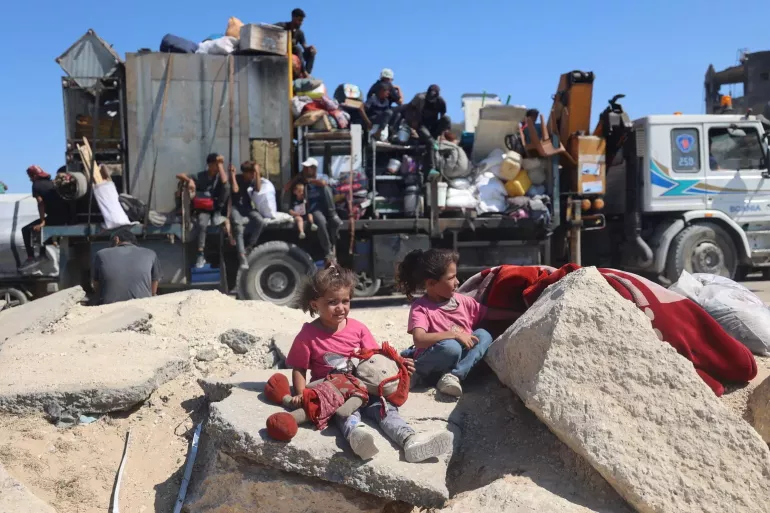
UNICEF has issued a grim update on the methods of violence used against people in the West Bank and East Jerusalem. Data shows that most of those killed or injured were struck by live ammunition. In addition to gunfire, the agency confirmed that victims were also stabbed, beaten, or pepper-sprayed. These findings by UNICEF emphasize the increasing dangers faced by civilians in these occupied territories since the start of the year.
UNICEF spokesperson visits West Bank!
After his visit to the West Bank last week, UNICEF spokesperson James Elder addressed the media at a Geneva press briefing. He emphasized that the rising death toll and injuries are part of a broader crisis. “These are not isolated incidents. They point to a sustained pattern of the worst kind of violation – violations against children,” Elder told the briefing. His statement brings to light the systemic nature of the violence currently targeting the youth in the region.
New data released by the U.N. children’s agency provides a grim breakdown of the violence. According to the spokesperson, 93% of the children who have lost their lives since January 2025 were killed by Israeli forces. While the vast majority of deaths were linked to military actions, the report also detailed that other children were victims of settler attacks, unexploded ordnance, or accidental hits by Palestinian forces. This comprehensive report calls for urgent global intervention to halt the rising tide of child casualties.
Following the report on child fatalities, the Israeli military did not immediately respond to a request for comment. This lack of response comes as human rights groups sound the alarm over a renewed surge in violence against Palestinians. According to these groups, attacks by Israeli settlers and soldiers have intensified significantly since 2023, creating a climate of fear and lawlessness in the region. The silence of official channels only adds to the growing international call for transparency and human rights protection.
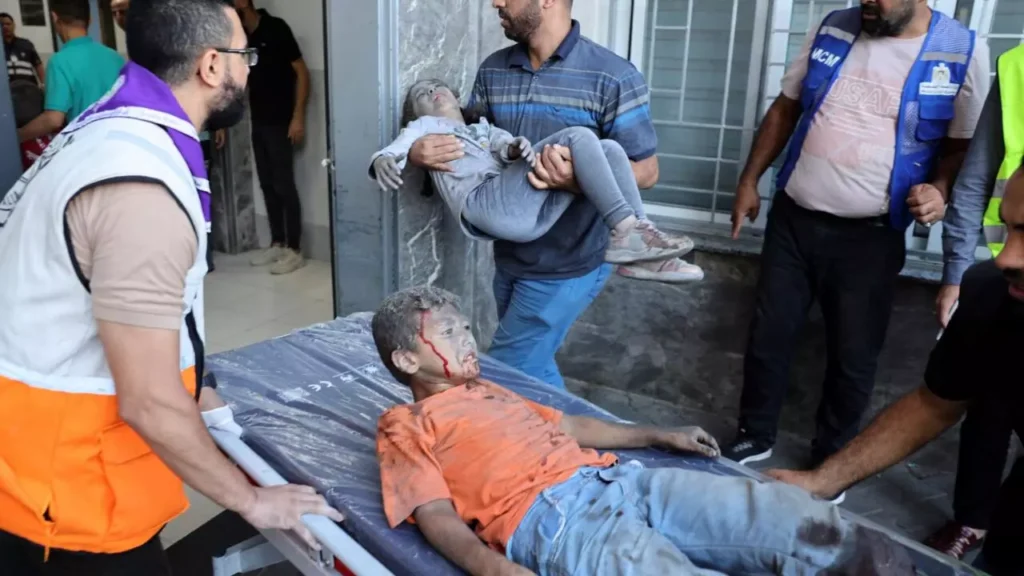
The geopolitical tension in the Middle East is deeply tied to the status of occupied territories. The United Nations and most countries strictly deem Israel’s settlements on West Bank land captured in the 1967 war illegal. This majority position is based on international treaties regarding occupied land. Despite this, it remains a view that Israel disputes, creating a long-standing impasse that continues to shape the human rights discourse and the future of the West Bank region.

